
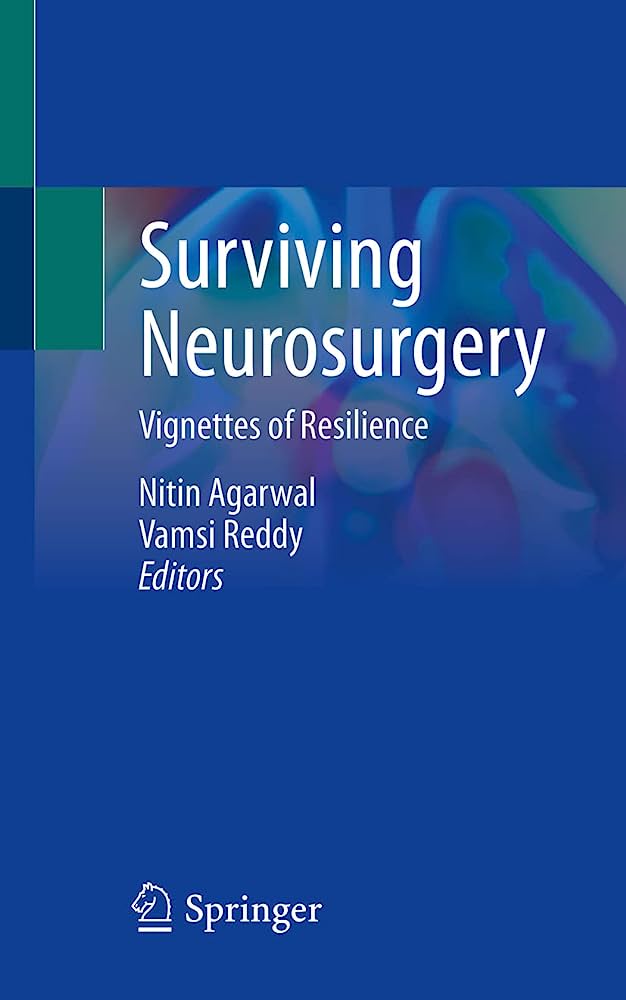
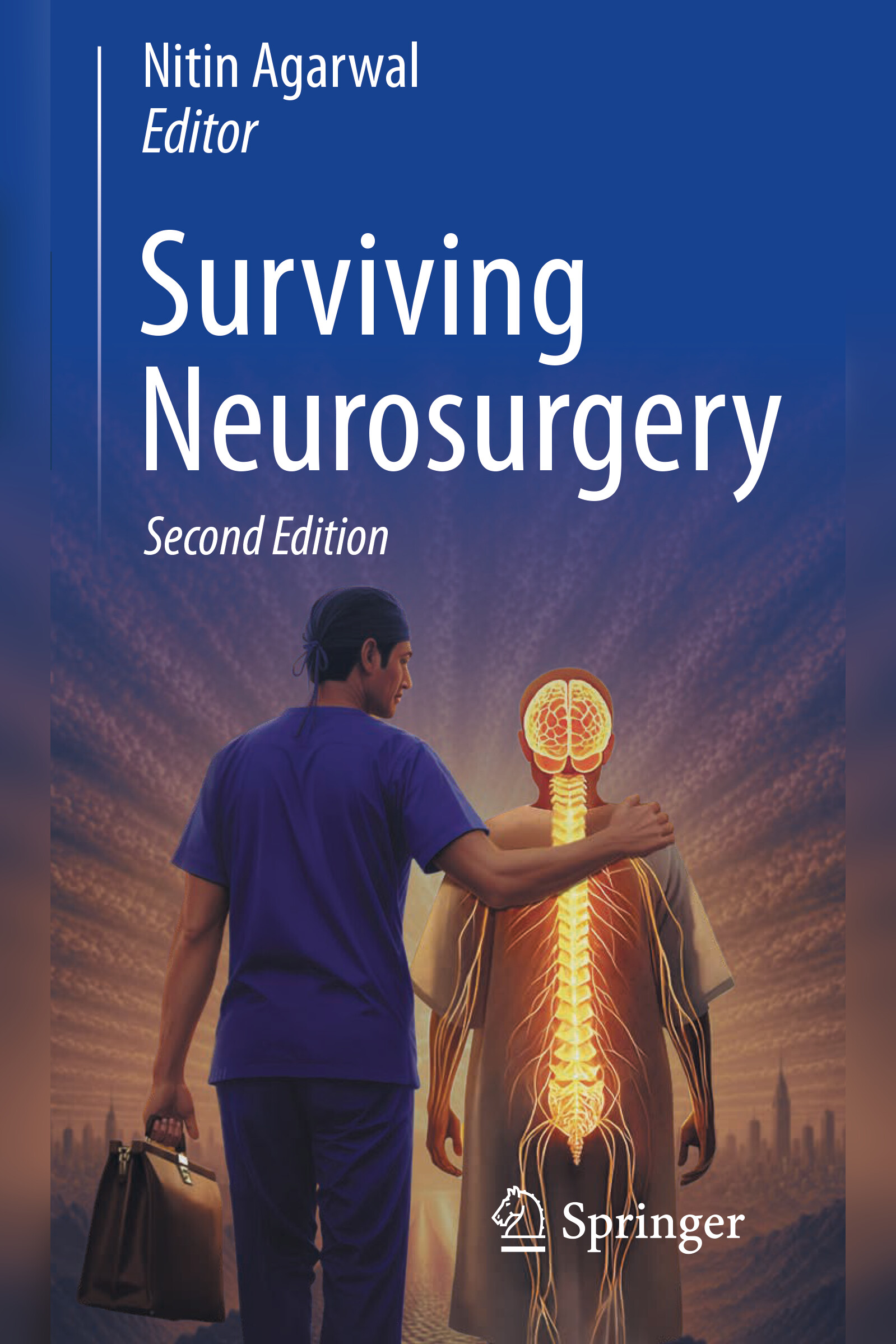
About This Book
Surviving Neurosurgery: Vignettes of Resilience builds on the original collection with new voices and reflections, remaining structured around seven parts, symbolic of the seven years of neurosurgical training, that traverse the career of a neurosurgeon: residency challenges, surgical nuances, research and funding, embracing humanity, patient experiences, and overcoming hurdles along the journey.
More than 100 contributors share their wisdom and experience, including patients, trainees, advanced practice providers, and attending neurosurgeons. The result is a candid, multi-perspective record of what it takes to do this work, and what it takes from you.
Key Features
-
Seven Parts, Seven Years
The structure mirrors the seven years of neurosurgical training, tracing a career from the first year of residency onward.
-
100+ Contributors
Neurosurgeons, trainees, advanced practice providers, and patients each write from where they stand.
-
New Voices in This Edition
The second edition expands the original collection with additional vignettes and reflections.
-
Short-Form Vignettes
Each piece stands on its own, so the book can be read straight through or opened anywhere.
-
The Patient's Side
Patient accounts sit alongside clinician ones, giving the same events from both ends of the encounter.
-
Candid About the Cost
Residency challenges, research and funding, and the hurdles along the way are treated plainly rather than smoothed over.
About the Author
-
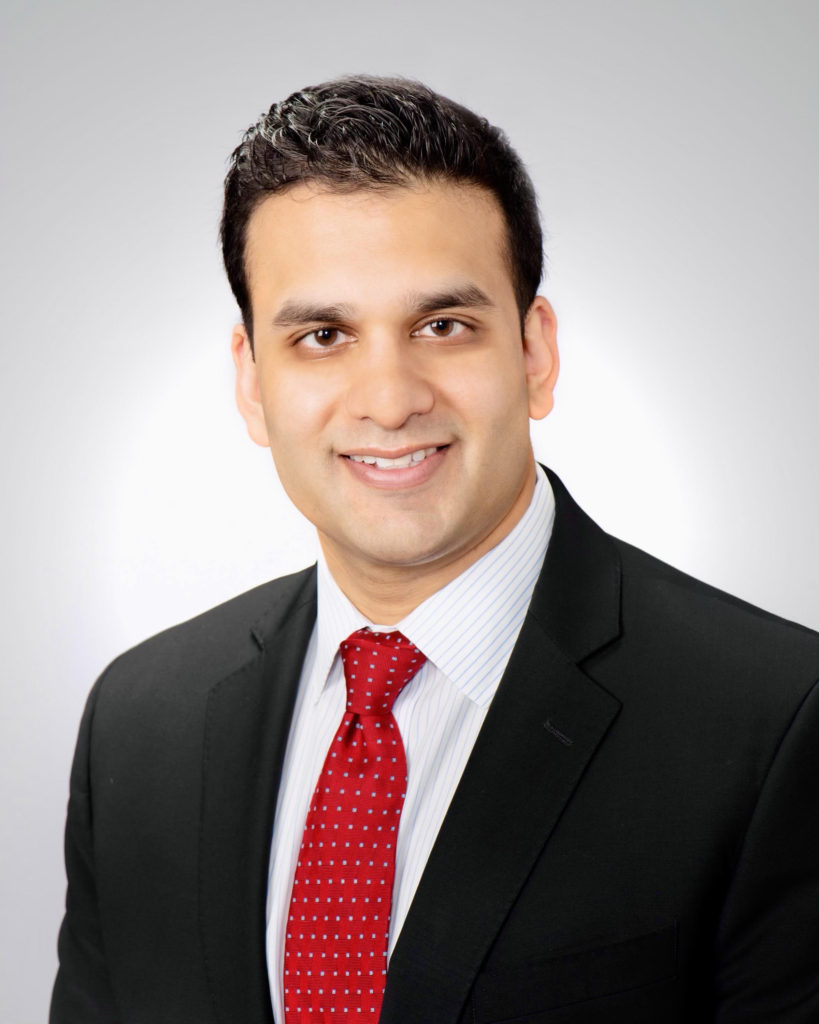
Nitin Agarwal, MD, MBA, FACS
Editor
Associate Professor of Neurological Surgery at the West Virginia University School of Medicine, Director of the AO Spine Fellowship Program, and Director of the Spine Computational Outcomes Learning Institute (SCOLI). He also serves as Acting Chief and Education Director of Neurological Surgery at the Veterans Affairs Pittsburgh Healthcare System. He is board-certified in neurological surgery with fellowship training in complex and minimally invasive spine surgery, and earned his MBA from The Wharton School of the University of Pennsylvania. His work spans neurotrauma outcomes, spine surgery outcomes, socioeconomic research, and patient education, with over 300 peer-reviewed publications and more than 350 presentations.